
Materials for CNC Machining
We machine aluminum, carbon and tool steel, stainless steel (304, 316), brass and copper for European industrial customers. Titanium and technical plastics we assess on request. State the grade on your drawing and we quote against it.
Materials We Machine
Aluminum
Light and quick to machine. Typical for housings, brackets, mounting plates and fixtures.
Carbon and tool steel
Strong and economical for machine parts. Tool steel where hardness and wear resistance matter.
Stainless steel (304, 316)
Corrosion resistant. 304 for general use, 316 for more demanding environments.
Brass and copper
Brass machines very well. Copper is chosen for electrical and thermal conductivity.
Materials at a Glance
| Material | Typical parts | Notes |
|---|---|---|
| Aluminum | Housings, brackets, mounting plates, fixtures | Fast to machine. State alloy and temper. Mention surface treatment in your RFQ. |
| Carbon steel | Shafts, pins, flanges, machine components | Strong and economical. Not corrosion resistant, so parts usually need surface protection. |
| Tool steel | Tools, dies, wear parts, fixtures | Hard and wear resistant. State grade and hardness condition, and mention heat treatment in your RFQ. |
| Stainless steel 304 | Shafts, bushings, fittings, plates | General-purpose grade with good corrosion resistance. |
| Stainless steel 316 | Parts for harsher environments | Better resistance to chlorides and aggressive media. |
| Brass | Fittings, connectors, sensor housings | Very good machinability. |
| Copper | Contacts, busbar parts, heat-transfer parts | High electrical and thermal conductivity. Softer, needs sharp tools. |
| Titanium, POM, PEEK | Case by case | On request. Send drawing, grade and quantity. |
Aluminum
Aluminum is the usual choice when weight matters and parts need to be machined quickly: housings, brackets, mounting plates and fixtures are typical examples. It cuts fast and cleanly, which keeps cycle times and unit costs low for prototypes and series alike.
Please state the alloy and temper on your drawing, because strength, hardness and anodizing behavior differ between alloys. If you need an anodized or coated surface, mention it in your RFQ so we can discuss how it is handled.
Carbon and tool steel
Carbon steels are the economical choice for strong mechanical parts such as shafts, pins, flanges and machine components. They are not corrosion resistant, so finished parts usually need a surface protection.
Tool steels are harder and more wear resistant and are used for tools, dies, wear parts and fixtures. Their properties depend strongly on heat treatment, so please state the grade and the required hardness or condition on your drawing, and mention any heat treatment requirement in your RFQ so we can clarify how it is handled.
Stainless steel: 304 and 316
Stainless steel 304 is a general-purpose grade with good corrosion resistance and is widely used in machine building and general equipment. Grade 316 contains molybdenum and withstands chlorides and aggressive media better, so it is chosen for harsher operating conditions.
Stainless steels work-harden and are tougher on tools than aluminum or brass. Cycle times are longer, and we plan tooling and cutting parameters accordingly. For turned parts such as shafts, bushings and fittings, and for milled plates and housings, send us the drawing with the grade and we confirm feasibility and price.
Brass and copper
Brass machines very well and is used for fittings, connectors, sensor housings and precision parts with tight tolerance requirements. Copper offers excellent electrical and thermal conductivity, which makes it relevant for contacts, busbar parts and heat-transfer components.
Copper is softer and gummier than brass. It needs sharp tools and suitable cutting strategies, and deburring matters. Please state the exact designation according to your standard on the drawing.
Titanium and technical plastics on request
Materials outside the list above, for example titanium or technical plastics such as POM and PEEK, are not part of our standard offer. We assess them case by case: send the drawing, the grade and the quantity, and we tell you plainly whether we can make the part and at what price and lead time, or whether another supplier would suit you better.
How to specify the material in your RFQ
For a reliable quote, please include:
- the material designation from your drawing (standard, grade, temper or condition)
- the quantity or annual demand and your required delivery date
- any certificate or traceability requirement
- surface treatment or heat treatment requirements
- tolerances and critical features
If your drawing leaves the material open, we are happy to suggest a suitable option. See also our CNC milling, CNC turning and precision grinding services, or go straight to the RFQ form.
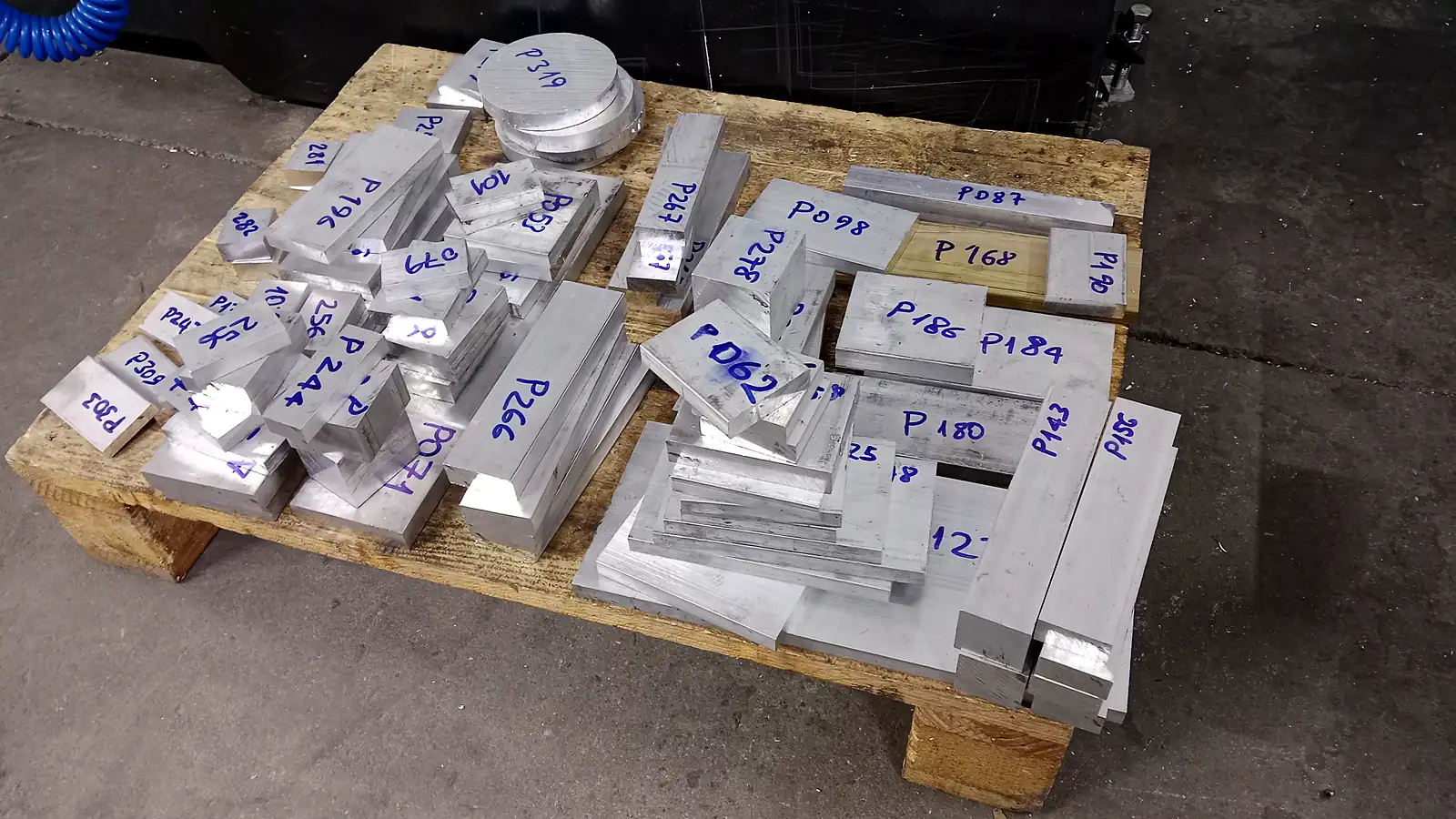
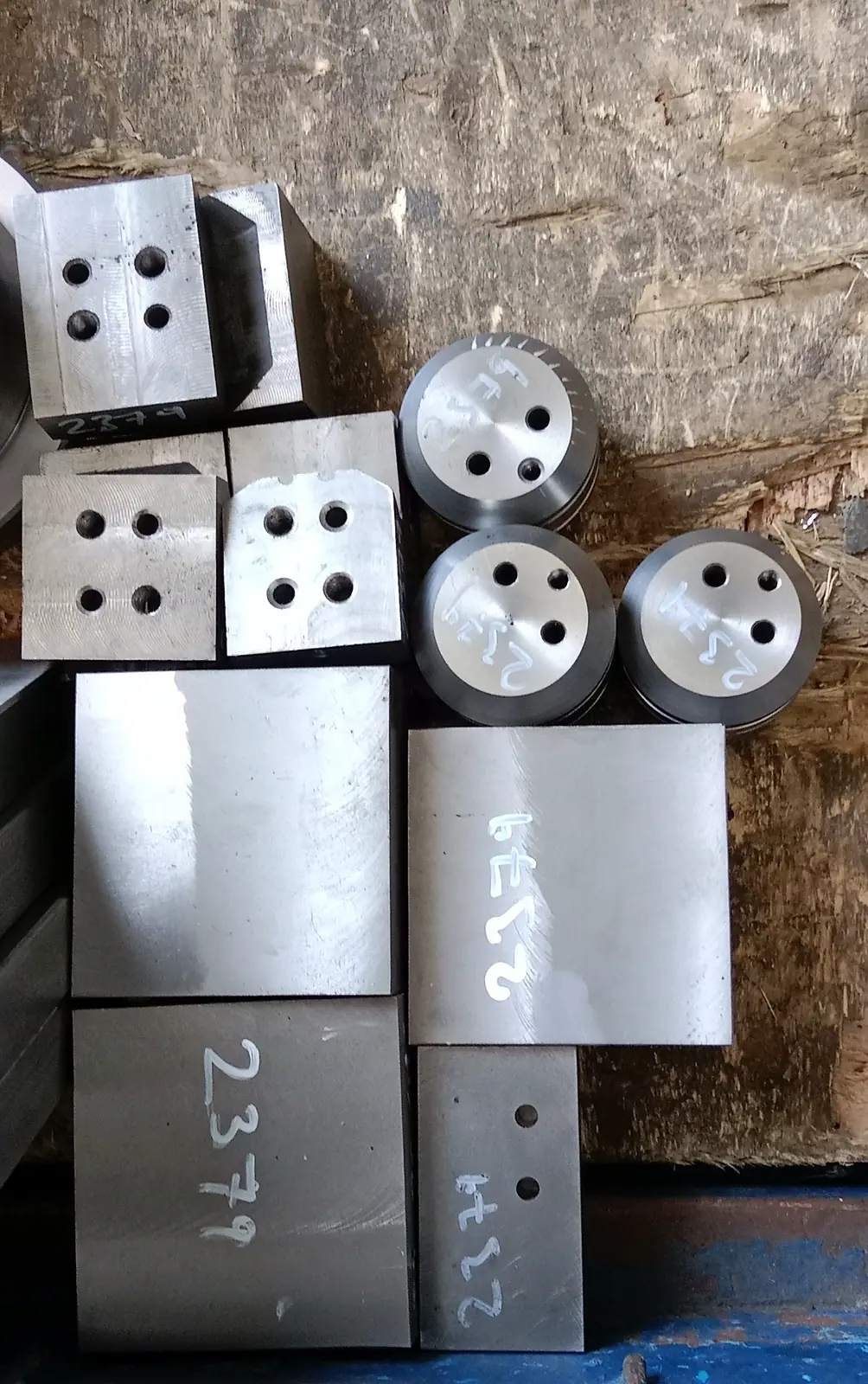
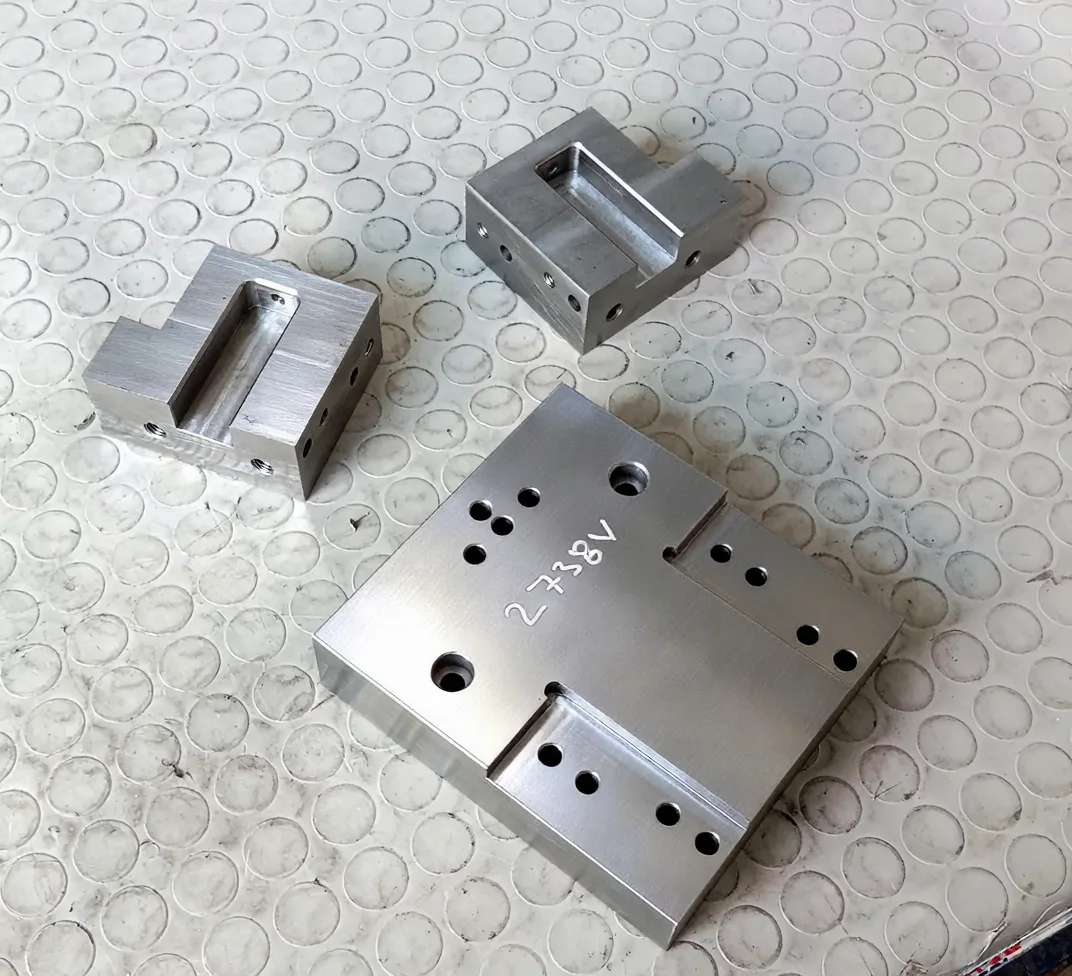
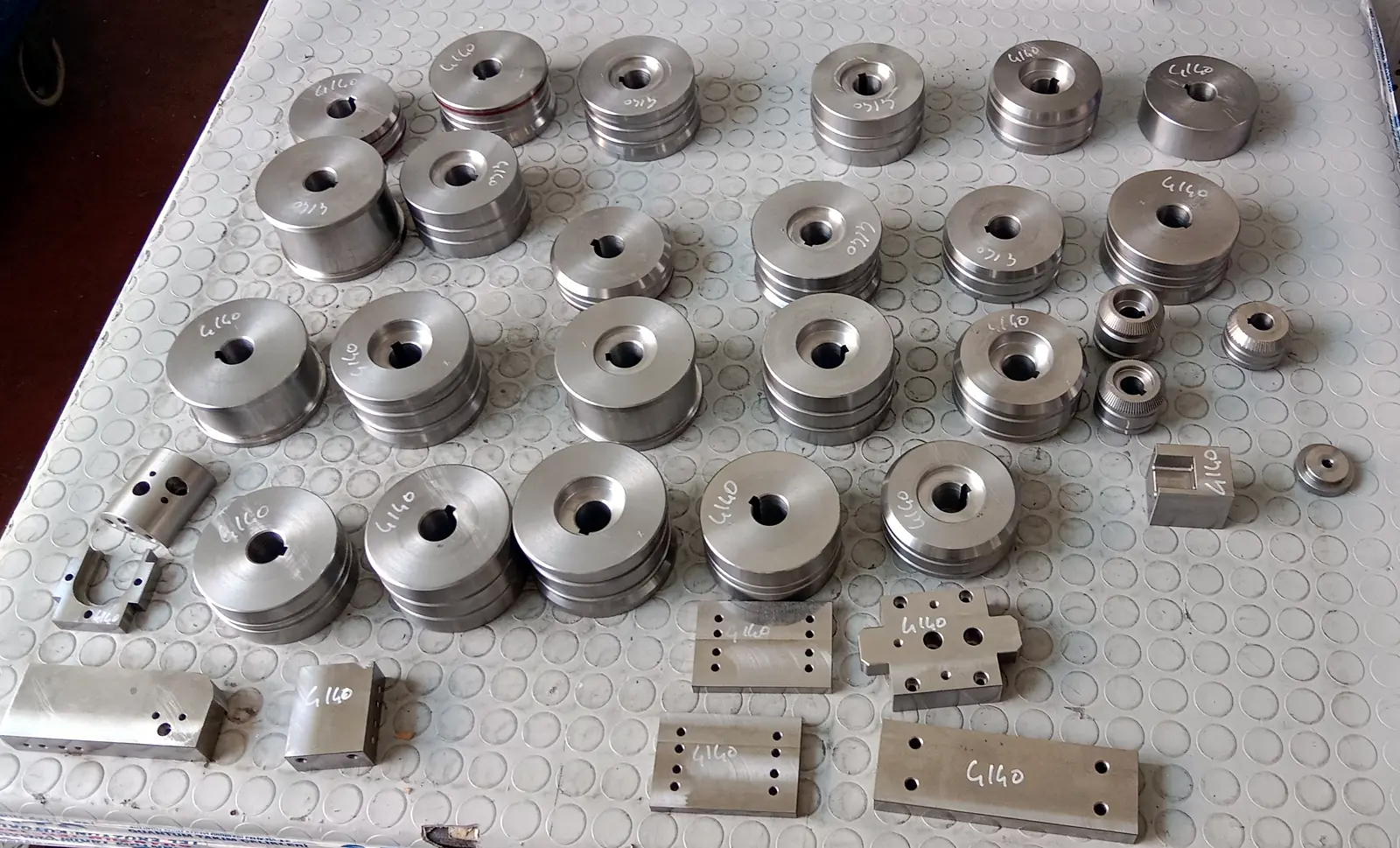
Materials from our production
Send Us Your Drawing
Upload your drawing (STEP, DXF, PDF) in our RFQ form and state the material. We reply with a quote, or with a straight answer if the part is not a fit for us. For direct questions, call or message us on +49 174 495 4556 or use our contact page.