
Conventional Machining & Secondary Operations
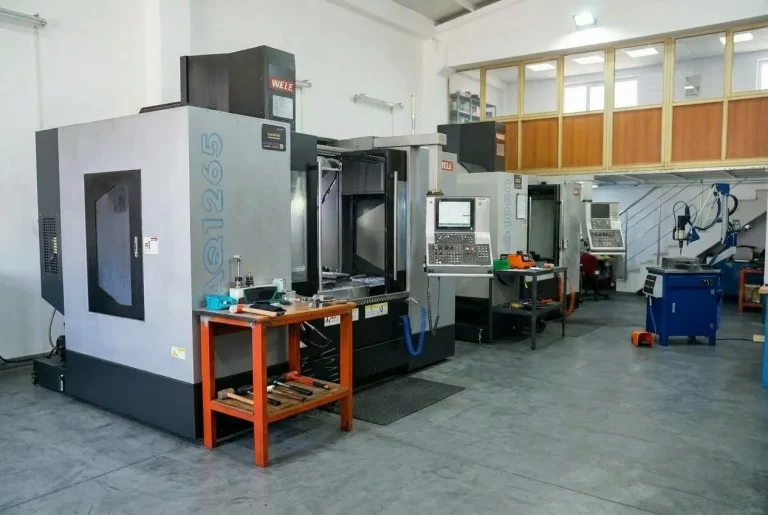
Alongside our high-volume automated lines, APAK GmbH maintains a robust manual tooling department in our production plant. From precision toolroom milling and universal lathe turning to heavy-duty pillar drilling and articulated hydraulic tapping, our secondary operations ensure flexible prototyping, fast fixture fabrication, and comprehensive end-to-end parts finishing.
Capabilities in Secondary Operations
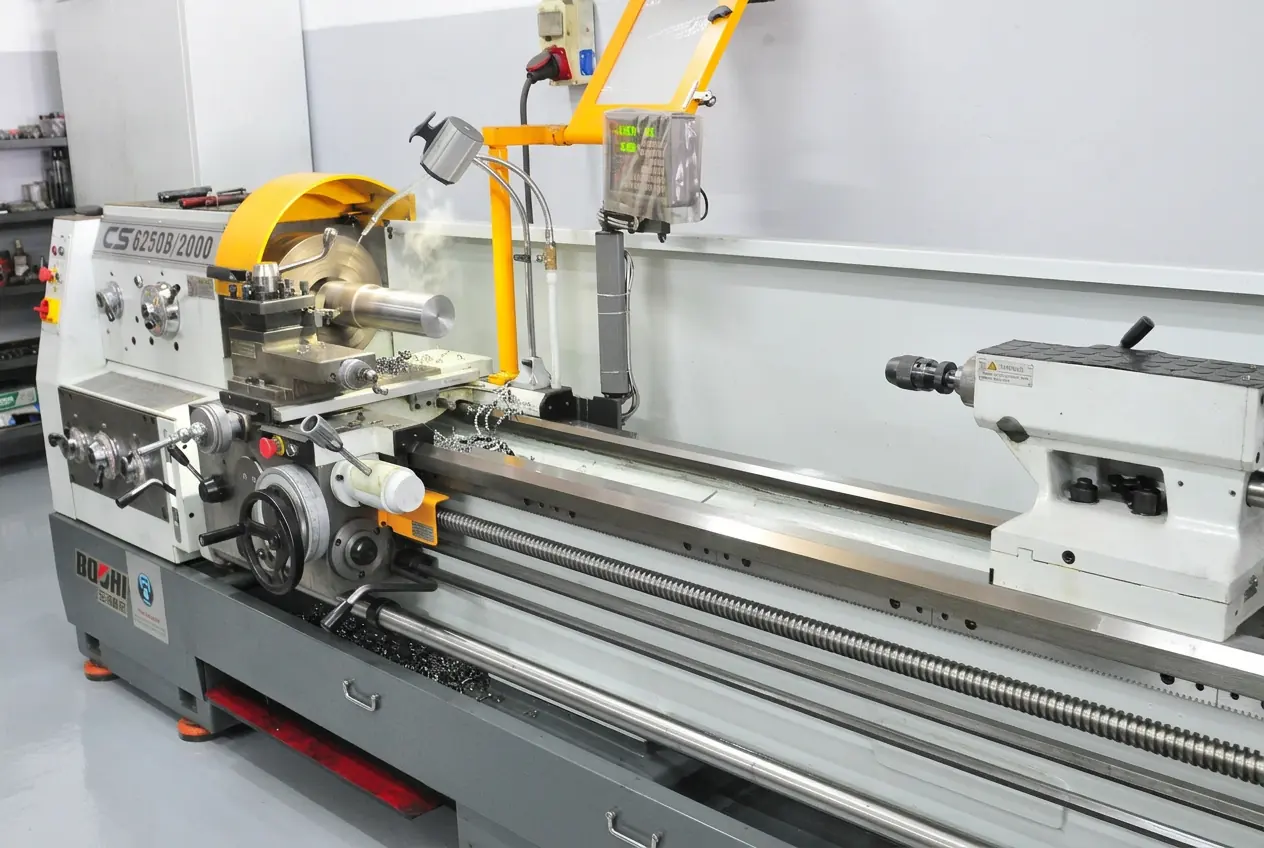
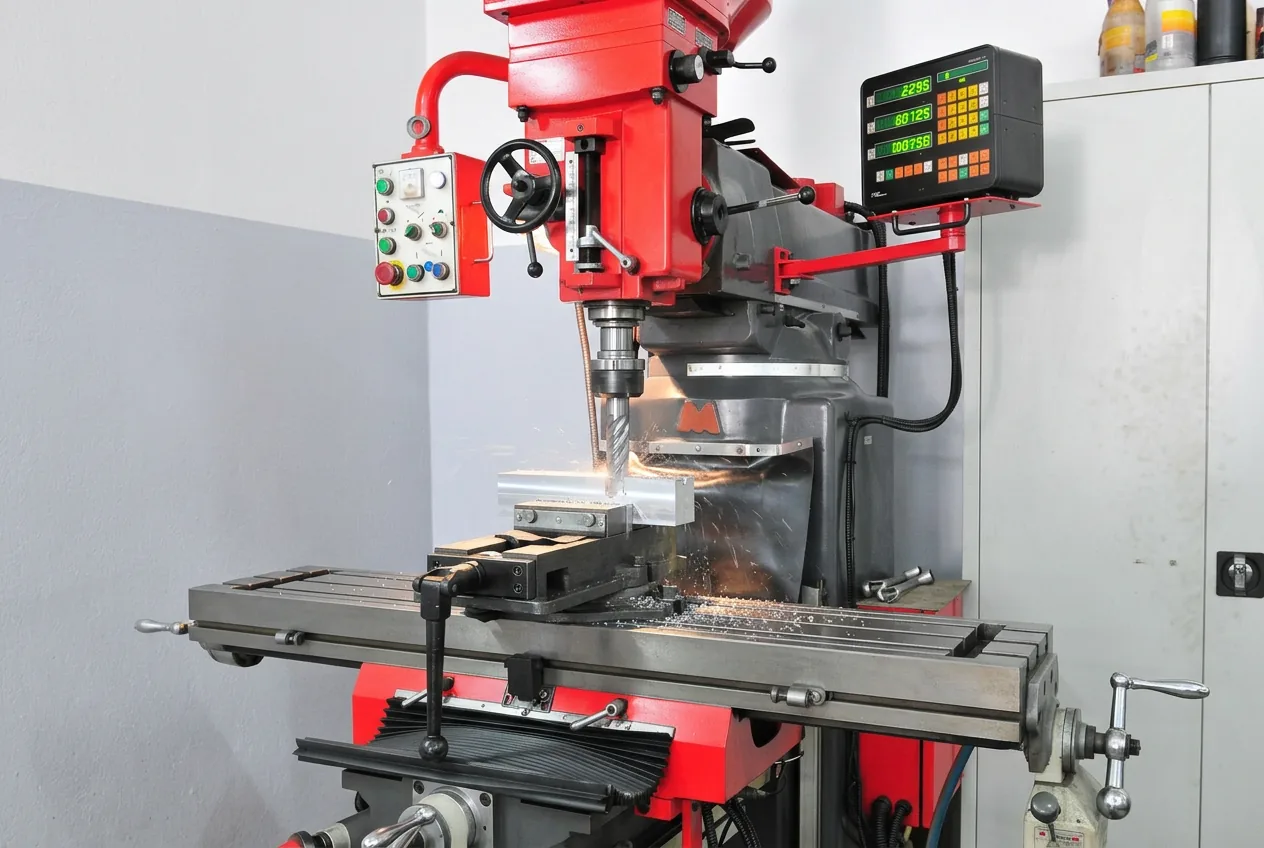
Universal Milling & Turning
Configured for precise mold-making, fixture fabrication, and custom industrial profiling. Provides rapid manual flexibility for custom machine parts.
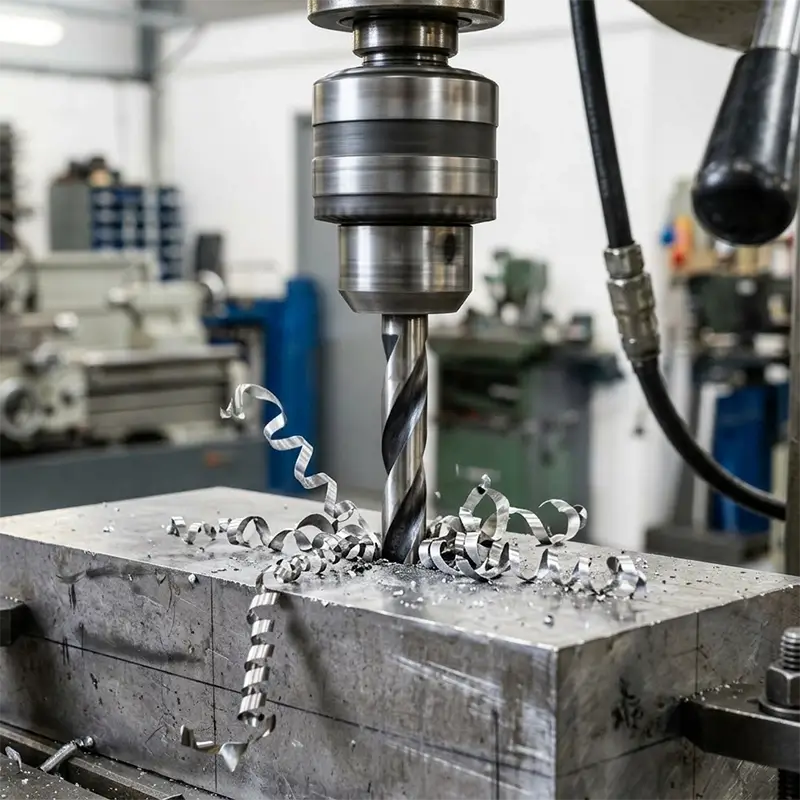
Heavy-Duty Drilling
Engineered for high-rigidity drilling, reaming, and counterboring across heavy metal blocks. Ensures stable, concentric hole-making.
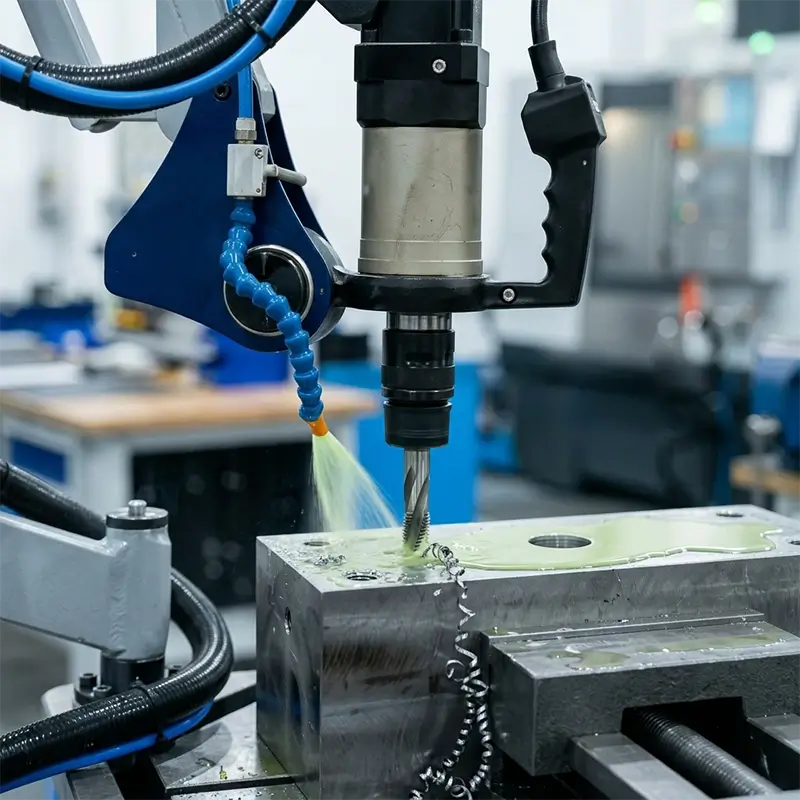
Hydraulic Arm Tapping
Equipped with flexible articulated arms to execute rapid, high-torque thread-making without risk of tap breakage.
The APAK Advantage in Manual Machining
European procurement managers can sign the contract with APAK GmbH in Germany or directly with our Istanbul plant. We handle the entire supply chain, delivering your finished parts from our Istanbul plant with export documentation. Our manual and automated operations follow documented inspection steps.
- In-House Fixture Fabrication
- Material & Inspection Records
- Contract Option in Germany
Comprehensive Conventional Machining
Our conventional machining and secondary operations are strictly designed to support and complete our high-volume automated manufacturing lines. While CNC technology is essential for mass production, professional toolroom milling and universal turning offer the rapid adaptability needed for fixture creation, prototype verification, and specialized one-off industrial parts.
Typical Secondary Operations
Secondary operations include conventional turning, tapping and drilling, for example for rework, additional features after CNC machining and one-off parts. They complement our CNC machining, so a part can be finished in one plant.
Equipment for Secondary Operations
We work with a universal engine lathe (Ø500 × 2000 mm), a hydraulic articulated arm tapping machine and a pillar drill, next to our CNC machines. All machines are listed on our machine park page.
From Drawing to Delivery
Every order follows the same path.
- Send your RFQ with a STEP, DXF or PDF drawing, the material, the quantity and your required delivery date.
- Our engineering desk reviews tolerances, material and volume and replies with a quote within 2 business days.
- Where it can lower your cost, we give Design for Manufacturability feedback before production starts.
- We source and verify the raw material and track the order from procurement through production to shipment.
- We inspect the parts against your drawing. For series orders we can agree a first article inspection beforehand, and QC measurement reports in PDF are available for critical batches.
- Parts ship with export documentation. You can contract with APAK GmbH in Germany, which handles the contract, payment and import formalities, or directly with our Istanbul plant, which issues the export invoice.
Quality Control in Secondary Operations
Even in our manual and secondary operations, precision remains a strictly documented standard. Every manually milled fixture or universally turned shaft is checked with the same measuring tools used in our CNC departments. This ensures absolute harmony between our automated and conventional departments.
In-House Tooling Advantage
Relying on external suppliers for production fixtures drastically delays project kickoffs. By maintaining a fully equipped conventional machining cell, APAK GmbH engineers and fabricates all necessary holding fixtures and jigs entirely in-house. This helps your serial production start on schedule.
Questions Before You Order
Which file formats can I send? STEP, DXF and PDF drawings through our RFQ form.
Do you sign an NDA? Yes, on request. Your drawings and CAD models are treated as confidential.
Can you supply finished surfaces? Processes outside our own equipment, such as heat treatment, anodizing and coating, are arranged through selected partners, so you receive finished parts from one source.
How fast do I get a quote? Our engineering desk replies within 2 business days.
Do you make prototypes as well as series? Yes. Tell us the quantity in your RFQ and we plan accordingly.
Ready to Start Your Project?
Submit your technical drawings to our secure RFQ engine. Whether you need high-volume CNC runs or specialized manual secondary operations, our engineering desk will provide a quote within 2 business days. For direct inquiries, contact our central support line via WhatsApp at +49 174 495 4556.